홍보물
 1
1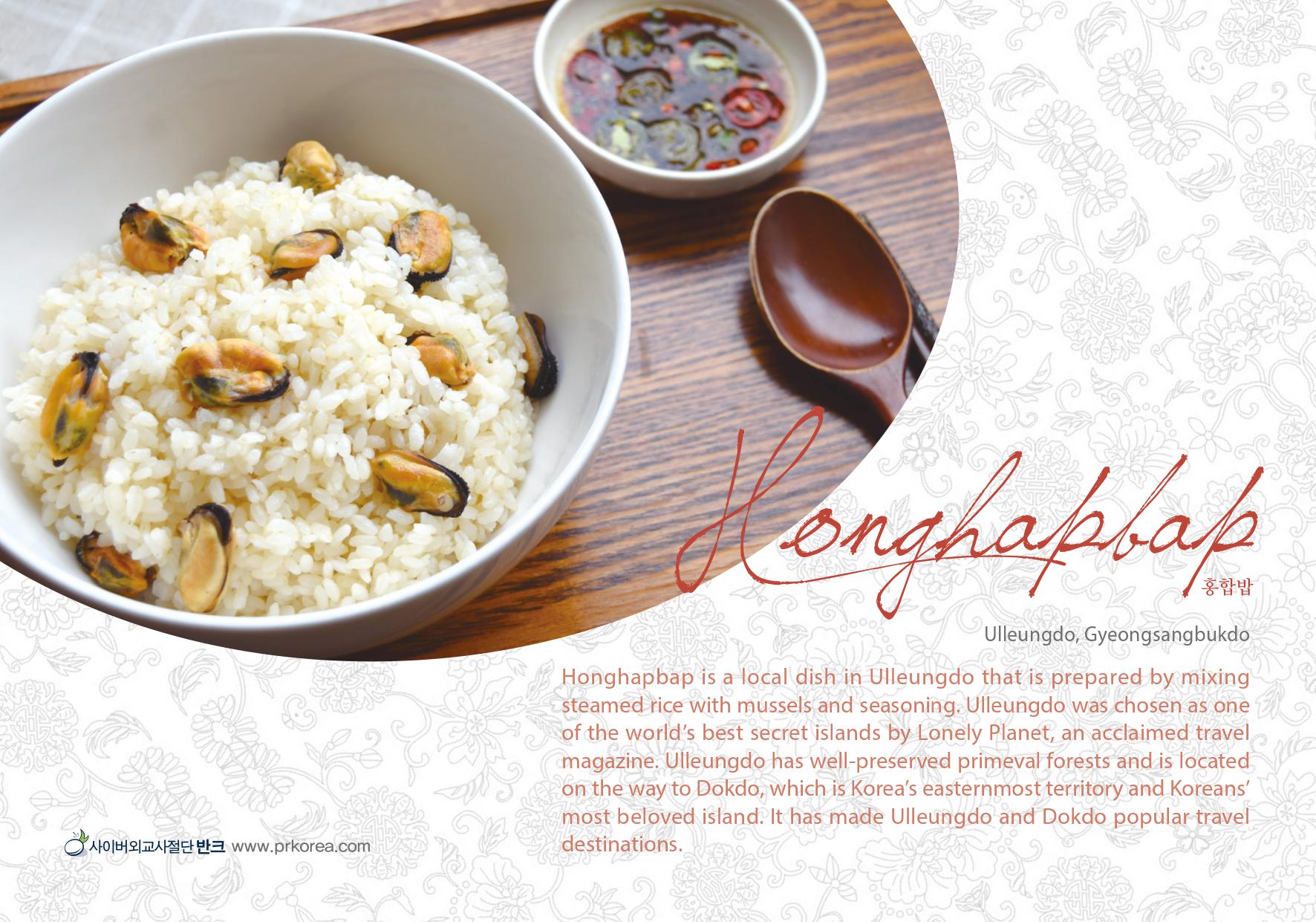 2
2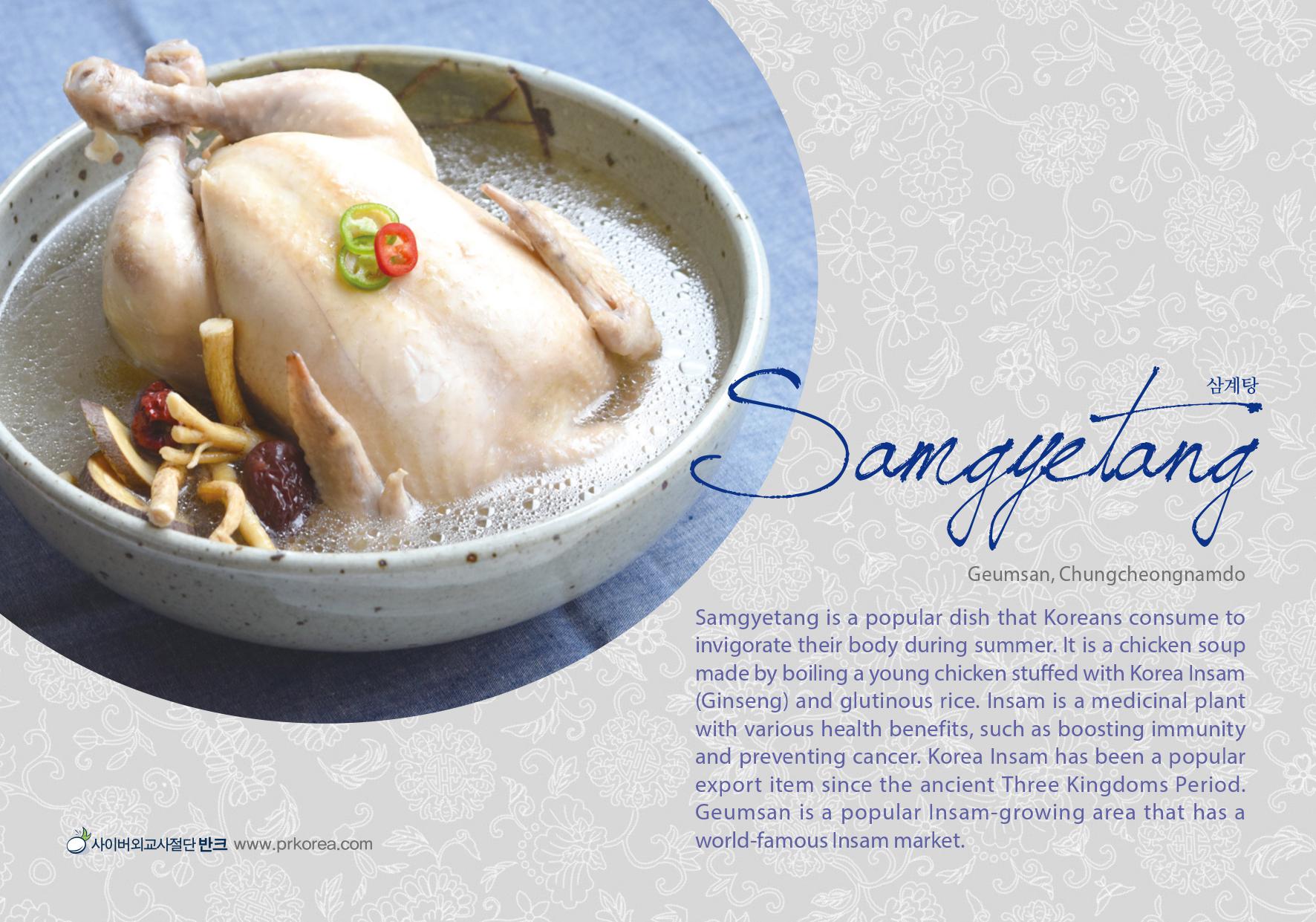 3
3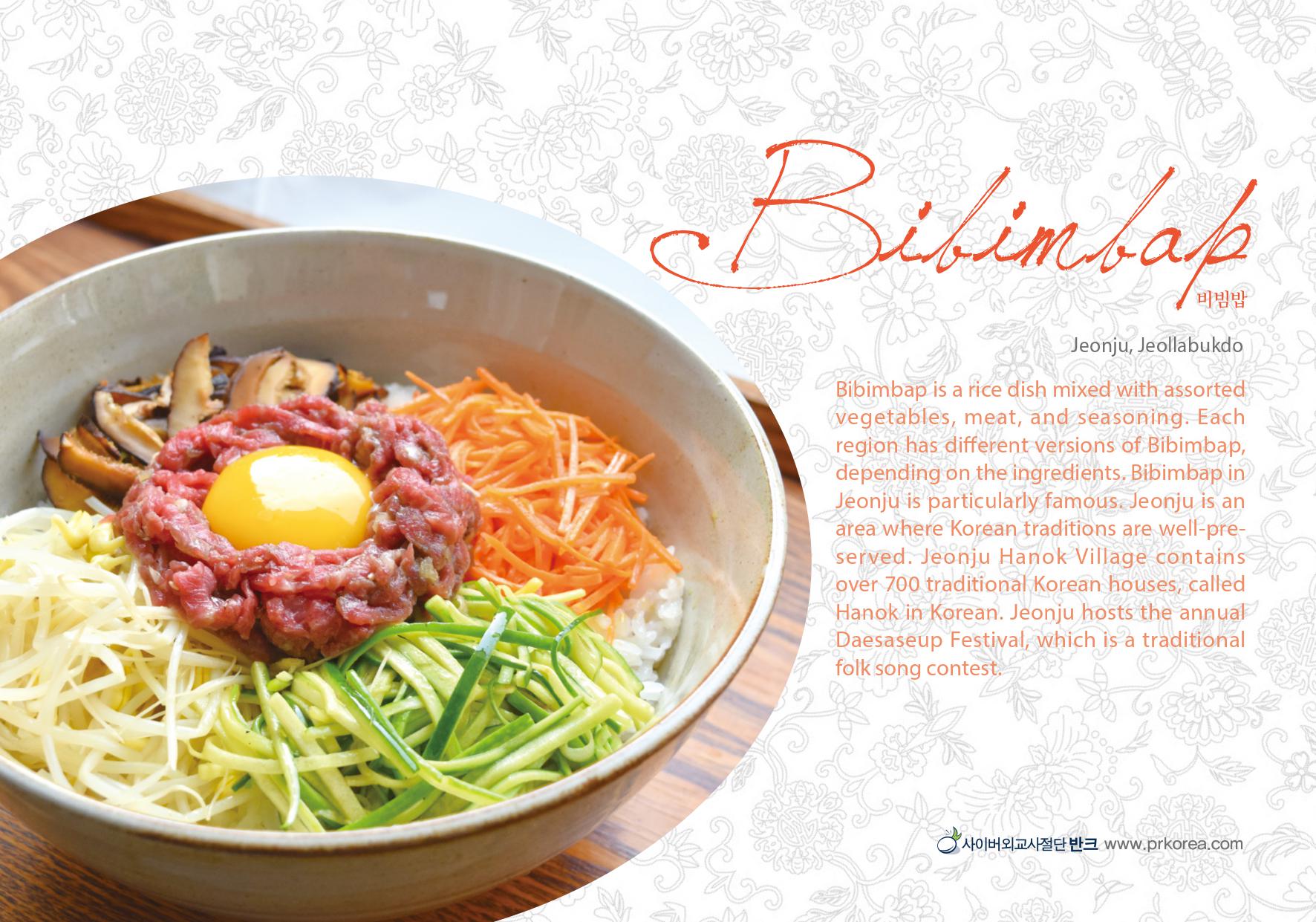 4
4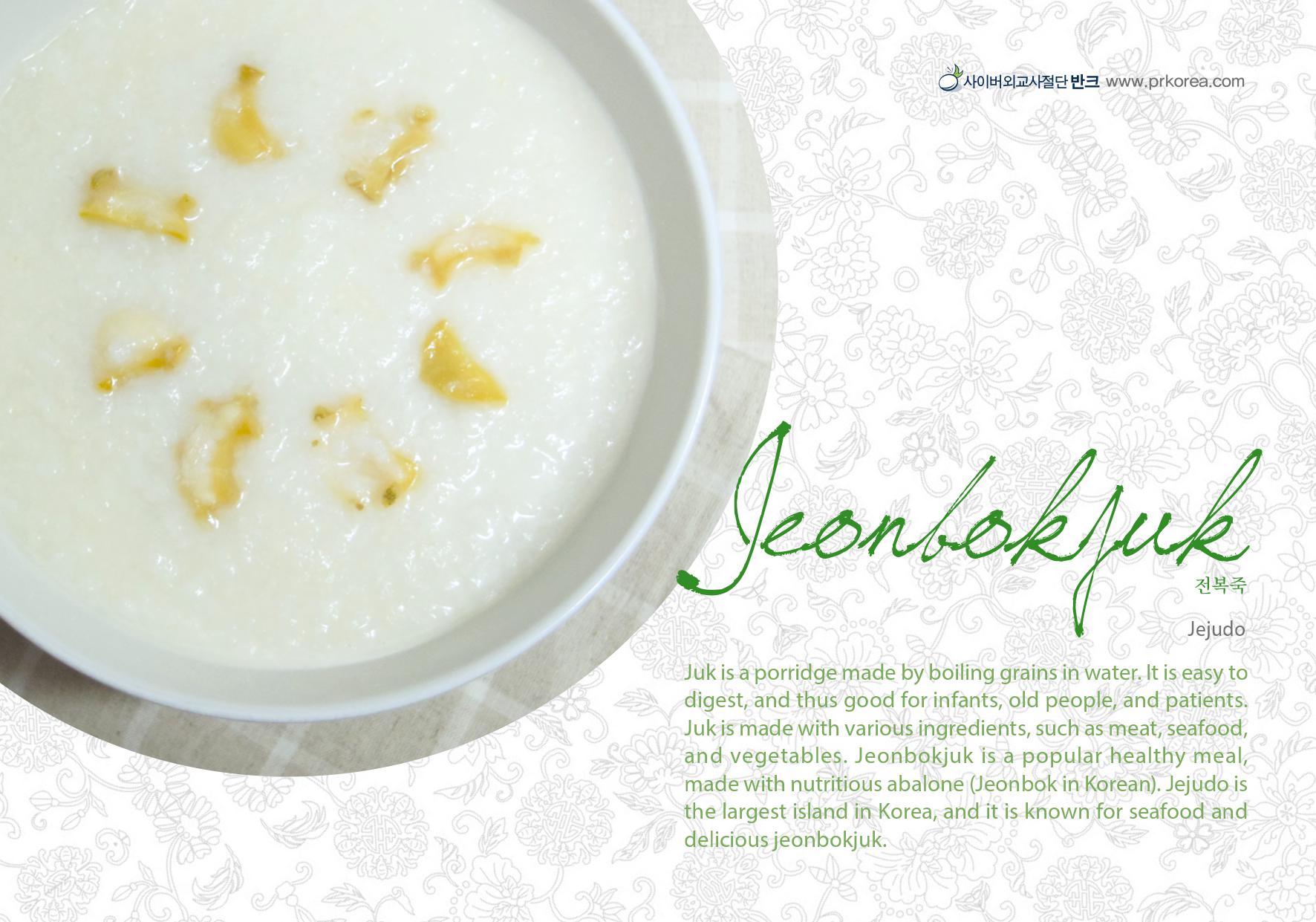 5
5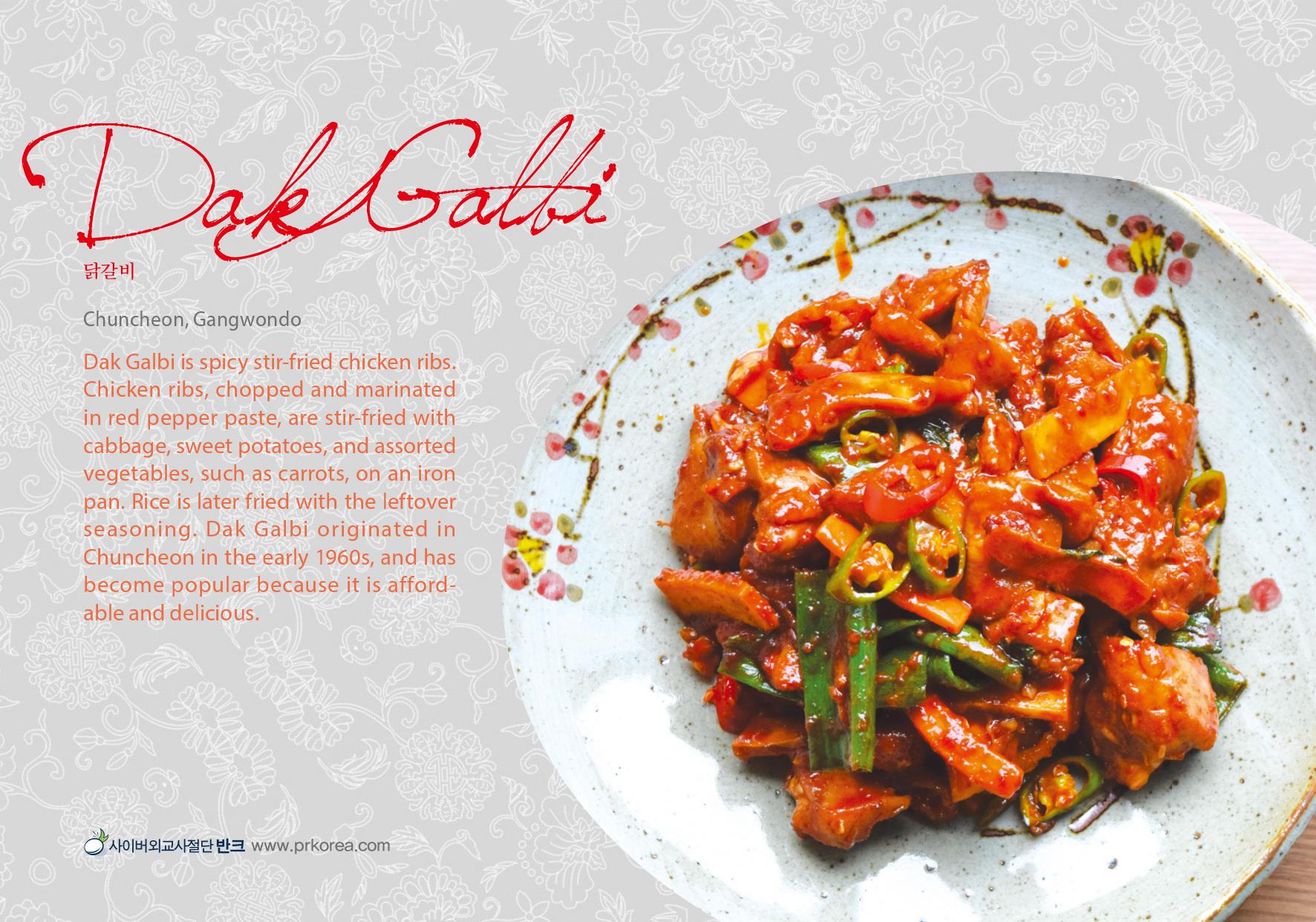 6
6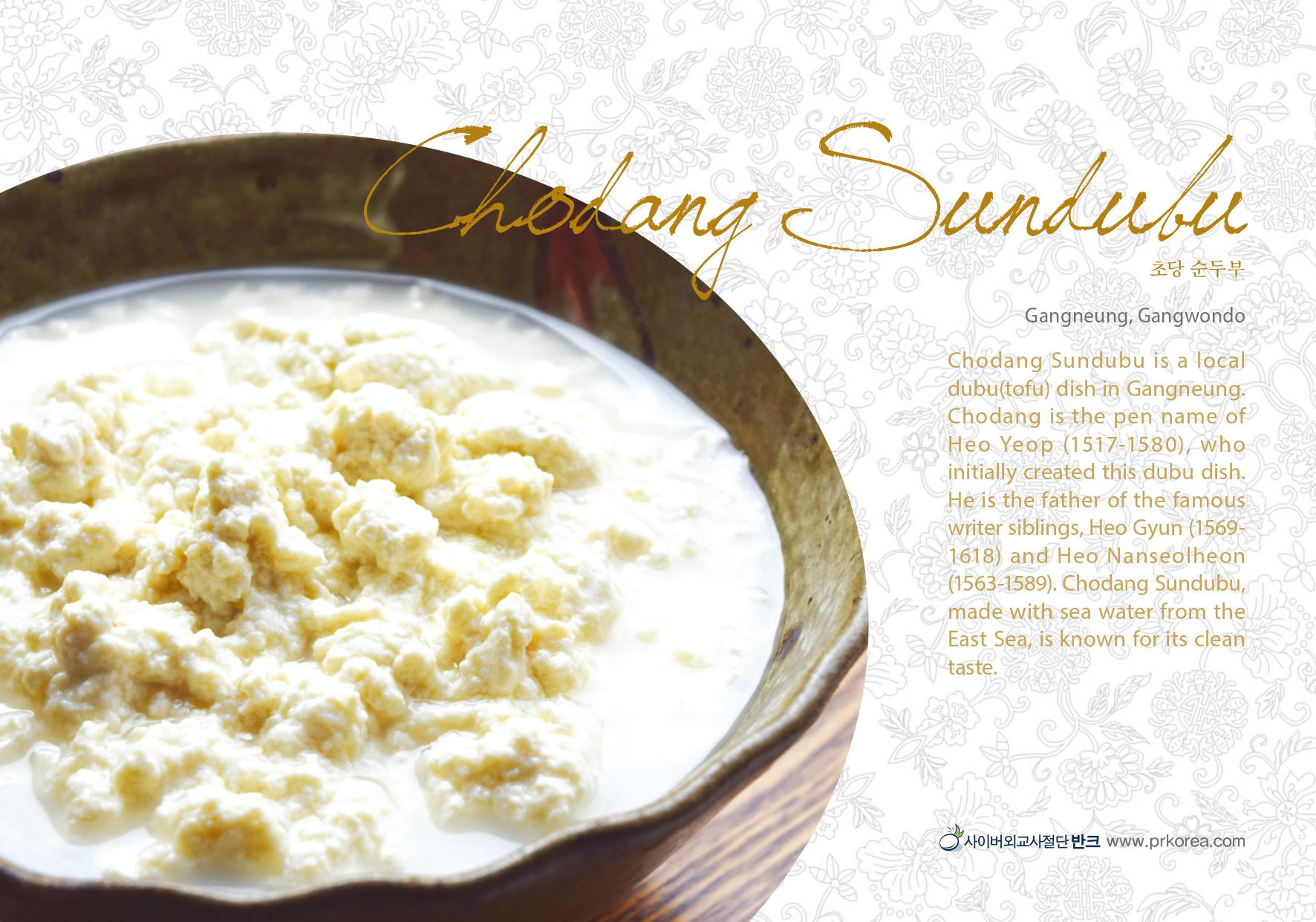 7
7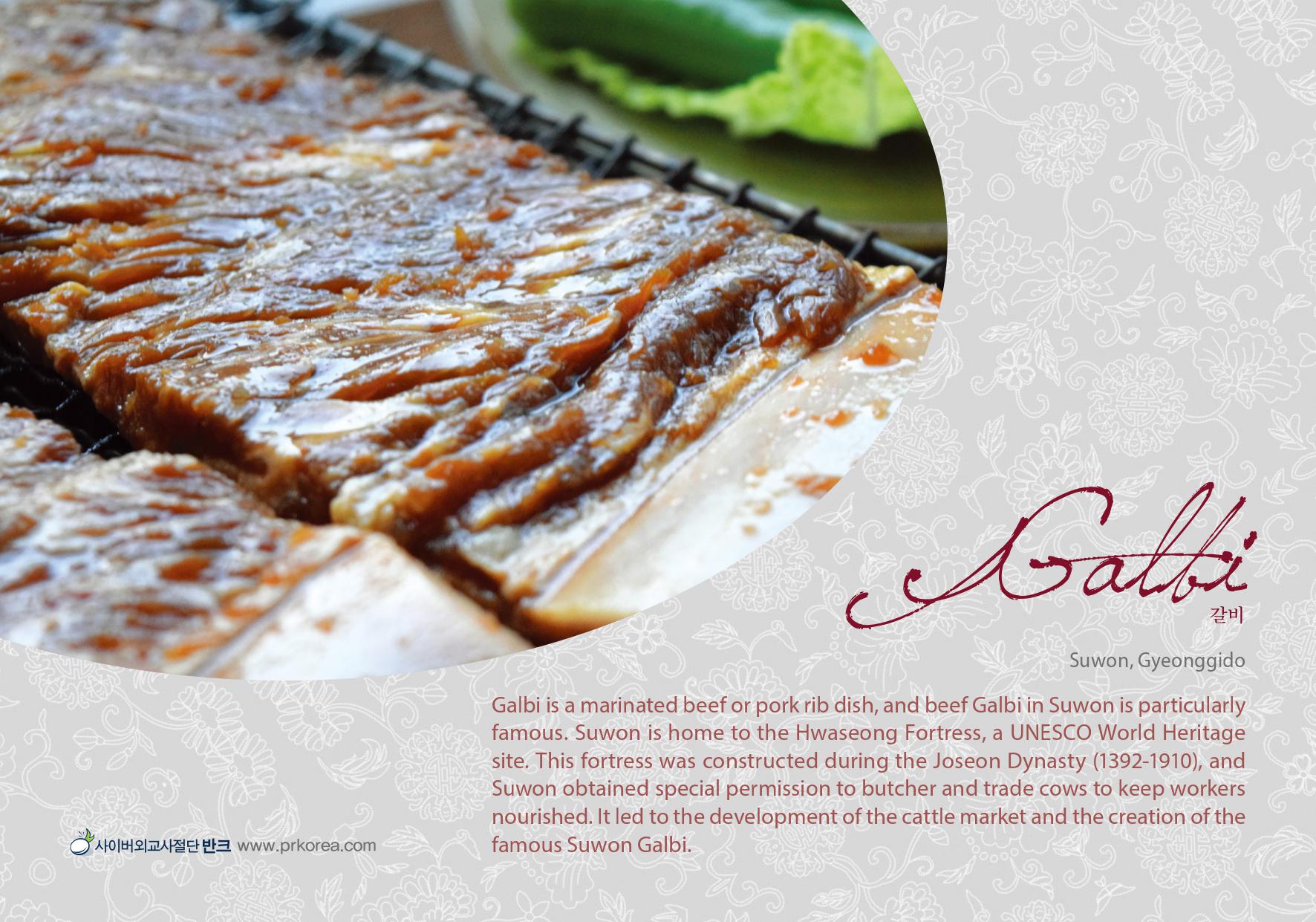 8
8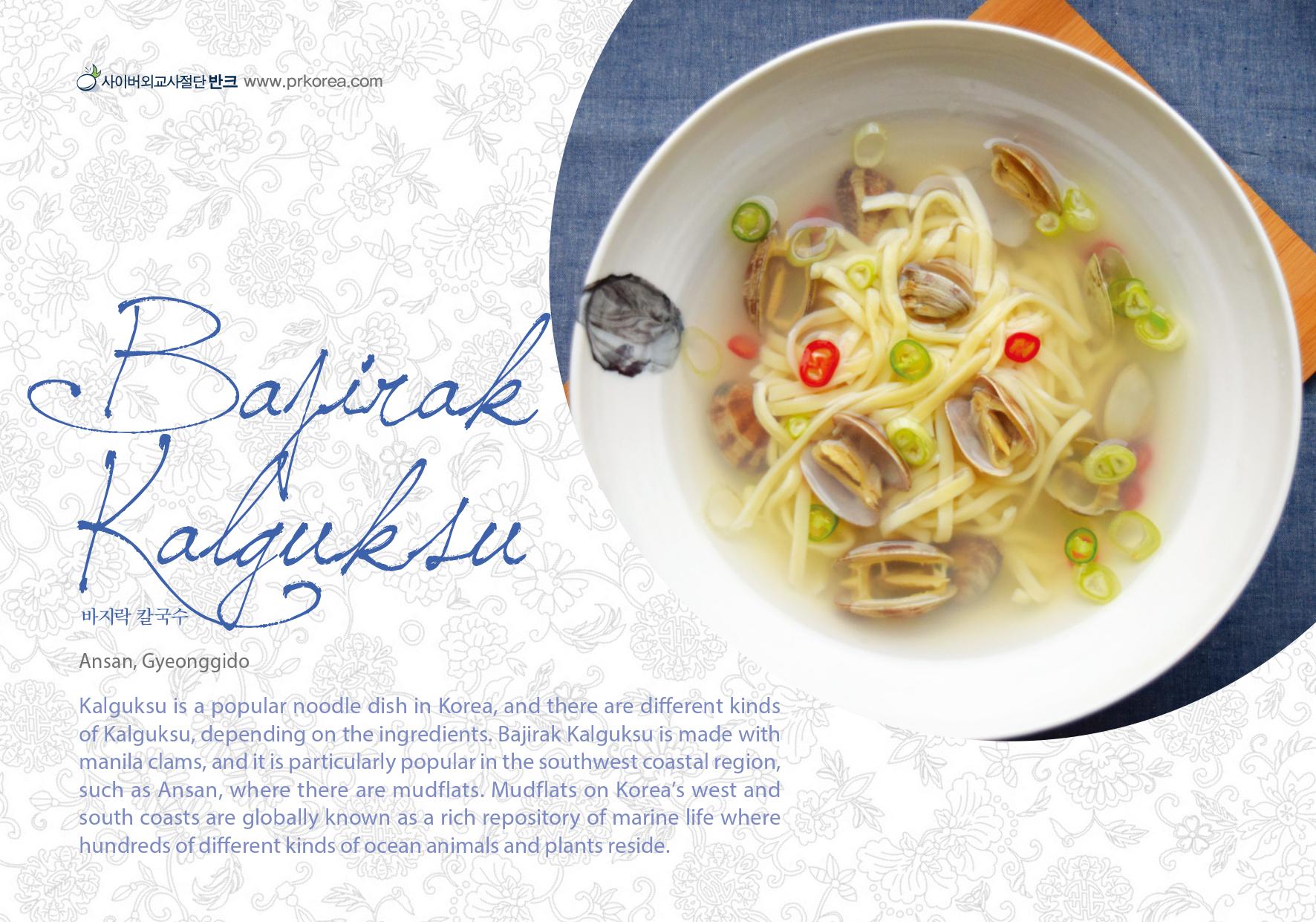 9
9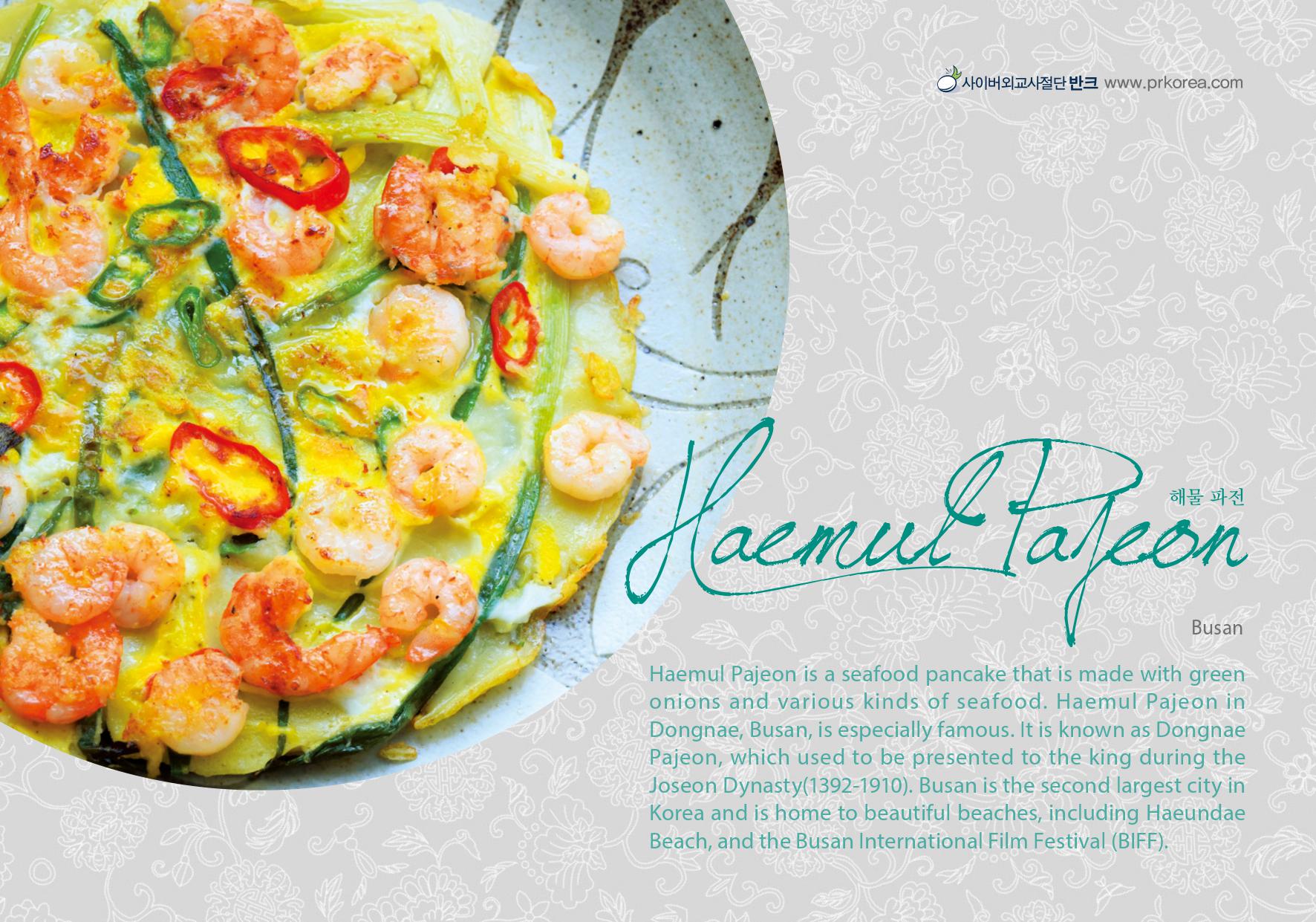 10
10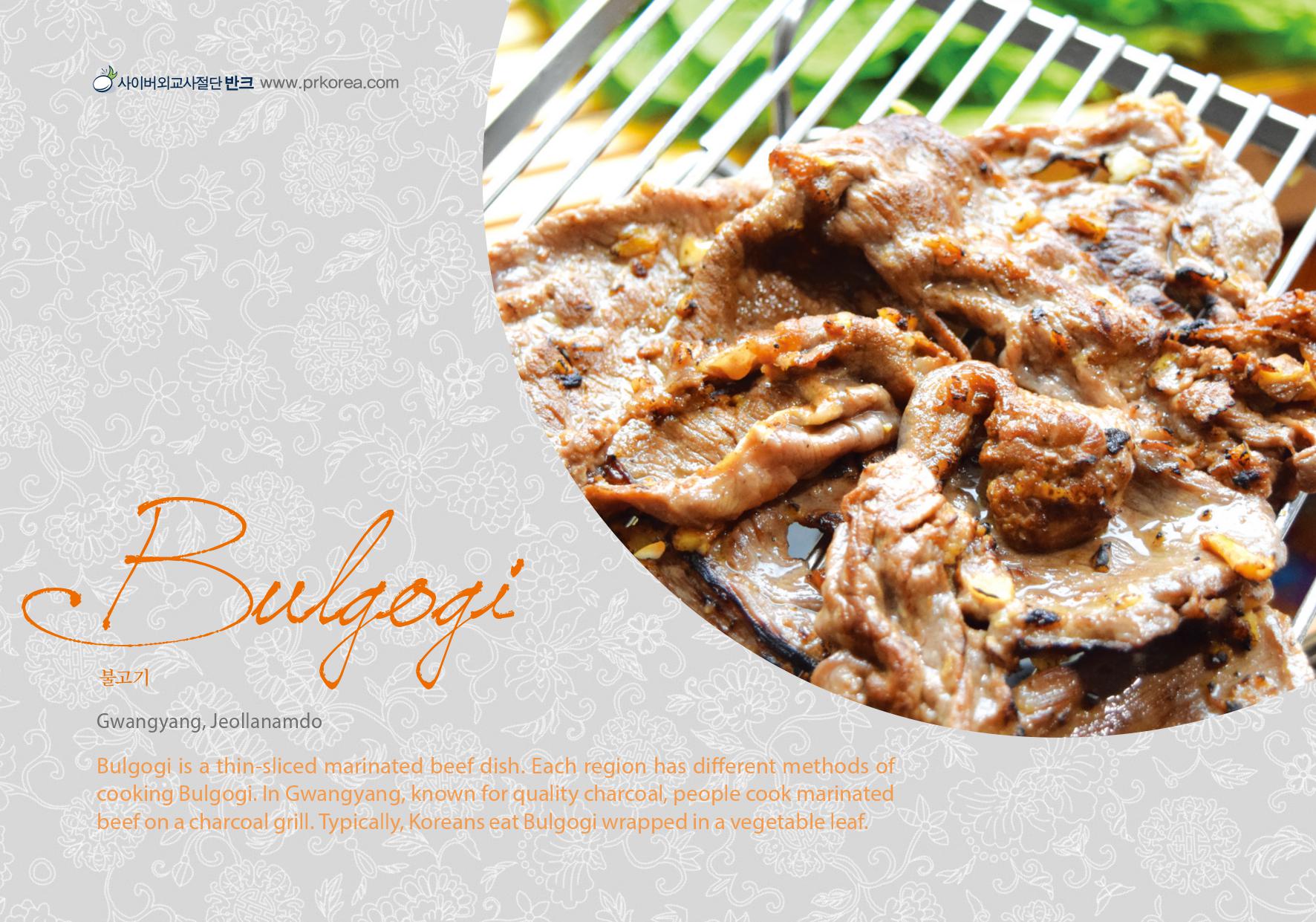 11
11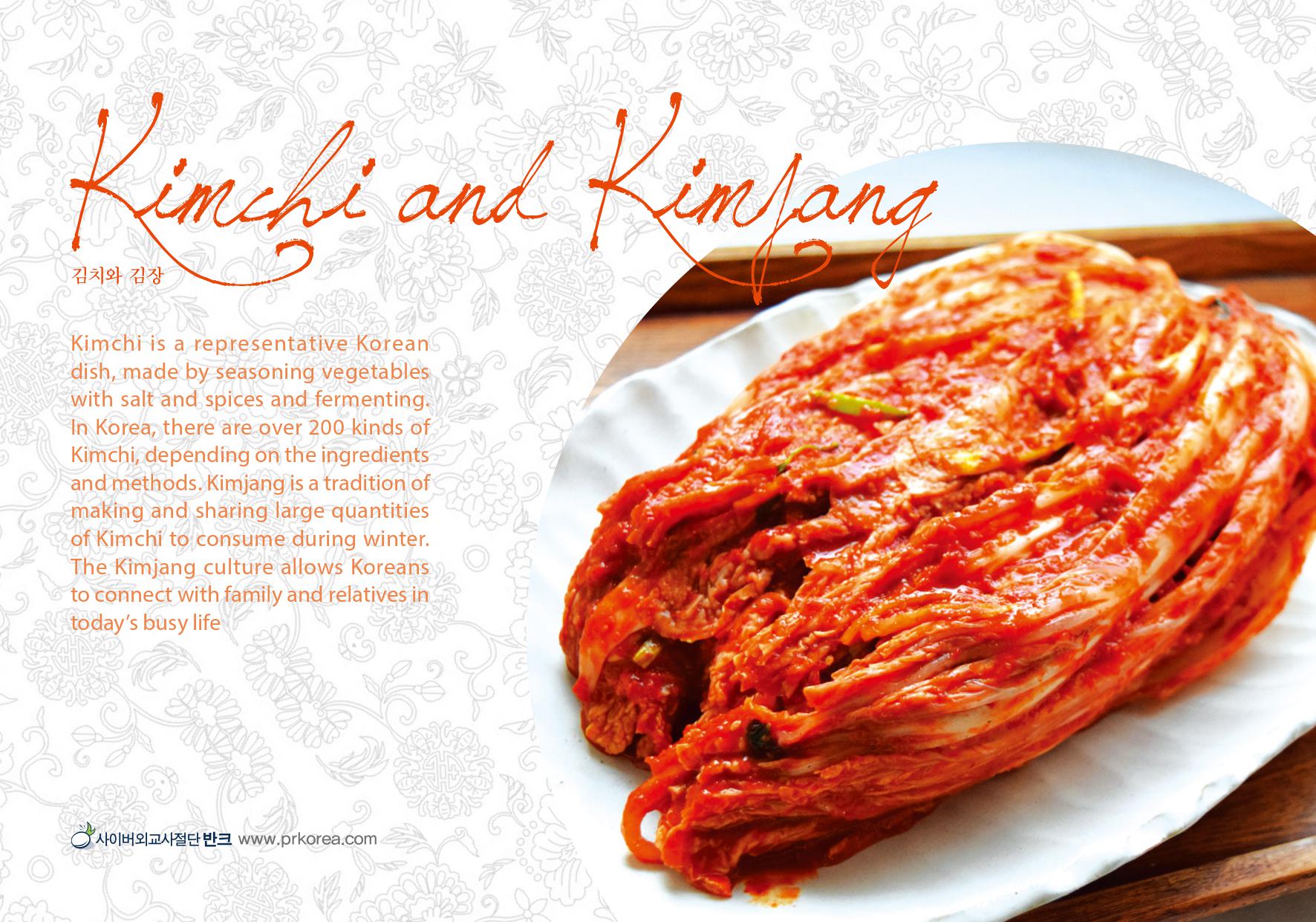 12
12한식 엽서 세트 (한국의 맛여행)
Culinary Tour in Korea
한국어
지역별 대표 한식 12종을 소개하는 엽서 세트형 홍보물이다(2015). 김치·갈비(수원)·불고기(광양)·비빔밥(전주) 등 음식의 유래와 지역 이야기를 함께 담아, 한식에 깃든 "한국인의 정"과 한국 문화를 세계에 알린다.
EnglishA 2015 postcard-set PR material introducing 12 representative Korean regional dishes—Kimchi, Galbi (Suwon), Bulgogi (Gwangyang), Bibimbap (Jeonju) and more. Sharing each dish's origin and regional story, it conveys Korean food culture and the warmth of "Korean jeong" to the world.
자료 원고 · 한국어
[콘텐츠 언어: 영문 원본 자료 (2015). 메타는 한/영 병기, 본문원고는 공식 한/영 원고 전체 수록]
[자료 소개]
한식엽서 세트는 지역별로 다양한 한국음식을 소개하는 한국홍보자료입니다. 김치를 비롯하여 갈비(수원), 불고기(광양), 비빔밥(전주) 등 지역별 12종의 대표적인 한식으로 구성되어 있습니다. 음식의 유래, 지역의 특징과 볼거리 등도 함께 소개하고 있으니 한식뿐 아니라 전반적인 한국 이해를 넓힐 수 있습니다. 한식의 특징이라고 하면 발효음식이 많은 것, 채소 위주의 식단, 재료와 조리법의 다양함 등 여러 가지를 꼽을 수 있습니다. 그러나 무엇보다도 정성으로 음식을 만들고 이를 나누는 "한국인의 정"을 빼놓을 수 없습니다. 한식엽서세트를 통해 한식이 소개될 때에 세계인들에게도 이러한 한국인의 정이 함께 전달될 수 있기를 바랍니다.
▶한글 원고
• 한국의 맛여행
한국음식에는 한국의 역사와 문화 그리고 한국의 자연이 담겨있습니다. 한국은 농경을 바탕으로 3면이 바다에 접해있고, 산지가 많은 까닭에 다양한 식재료를 얻을 수 있습니다. 여기에 한국인들은 간장, 된장, 고추장 같은 고유의 양념을 더하여, 풍부하고 다양한 한국음식을 탄생시켰습니다. 한 나라를 여행하며 그 나라의 음식을 맛보는 것은 큰 즐거움입니다. 이제, 여러분들께 각 지역의 한식을 소개 드립니다. 여러분도 한국의 맛여행을 통해 그 기쁨을 맛보세요~!
• 김치와 김장
김치는 채소를 소금에 절이고 각종 양념을 버무려 발효시켜 만든 대표적인 한국음식이다. 재료와 담그는 방법이 지역과 가정에 따라 다양하여 그 종류가 200여 종에 이른다. 한국인들은 또한 겨울철에 먹을 많은 양의 김치를 담그고 나누는 고유의 김장문화가 있는데, 바쁜 현대의 삶 속에서도 이를 통해 가족과 공동체의 유대감을 이어가고 있다.
• 닭갈비 / 강원도 춘천
닭갈비는 토막 낸 닭을 얇게 펴서 고추장 양념에 재웠다가 양배추, 고구마, 당근 등 각종 채소와 함께 철판에 볶아먹는 요리이다. 다 먹은 후에는 남은 양념에 밥을 함께 볶아먹는데 이 또한 별미이다. 닭갈비는 1960년대 초 춘천지역에서 탄생하였는데 맛있고 값이 싸서 대중적으로 인기가 높다.
• 초당순두부 / 강원도 강릉
두부는 한국인들이 즐겨먹는 식품으로 초당순두부는 강릉지역의 향토음식이다. "초당"은 조선시대 이 두부를 처음 만든 허엽(1517-1580)이라는 인물의 호인데, 그는 조선시대 남매문인으로 유명한 허균(1569-1618)과 허난설헌(1563-1589)의 아버지이기도 하다. 강릉지역의 맑은 동해바닷물을 넣어 만든 초당순두부의 맛은 담백하고 고소하다.
• 갈비 / 경기도 수원
갈비는 소나 돼지의 갈비를 양념하여 구운 요리로, 수원지역의 소갈비가 유명하다. 수원에는 세계적인 문화유산인 화성이 있는데, 조선시대(1392-1910) 이 화성이 축성될 당시 인부들의 체력유지를 위해 특별히 이 지역에만 소의 도축이 허가되었고 자연스럽게 소시장이 발달하여 수원지역의 갈비가 유명해졌다.
• 바지락 칼국수 / 경기도 안산
칼국수는 한국의 대표적인 국수요리로 재료에 따라 종류가 다양하다. 바지락칼국수는 바지락조개를 넣어 만든 것인데, 안산 등 갯벌이 있는 남서해안 지역이 유명하다. 특별히 한국의 서해와 남해 갯벌은 수백여 종의 동식물이 서식하는 바다생물의 보고로 세계적으로도 유명한 갯벌이다.
• 삼계탕 / 충청남도 금산
삼계탕은 여름철의 대표적인 보양식으로 닭의 뱃속에 찹쌀, 인삼 등을 넣고 끓인 음식이다. 인삼은 건강증진, 항암효과 등 다양한 효능이 있는 약재로 한국의 인삼은 고구려, 백제, 신라 삼국시대부터 주요 수출품목으로 거래될 정도로 인기가 높았다. 한국의 대표적인 인삼재배지역인 금산지역에는 세계적인 인삼시장이 있다.
• 홍합밥 / 경상북도 울릉도
홍합밥은 홍합을 넣고 밥을 지어 양념장과 함께 비벼먹는 울릉도의 향토음식이다. 특별히 울릉도는 세계적인 여행전문지인 론리 플래닛 매거진이 세계 10대 비밀의 섬으로 선정할 정도로 원시림이 잘 보존되어 있고, 한국인이 사랑하는 한국의 가장 동쪽 영토 독도로 가는 길목에 있어 사람들이 많이 찾고 있다.
• 해물파전 / 부산
해물파전은 파와 각종 해산물에 반죽을 묻혀 지져낸 요리로 부산의 동래지역이 유명하다. 특별히 이 지역의 해물파전을 동래파전이라고 부르는데, 이는 조선시대 임금에게 바쳐졌던 음식이었다고 전해진다. 이 밖에도 부산은 해운대 등 아름다운 해변이 많고, 부산국제영화제를 개최하는 등 대한민국 제2의 도시이다.
• 비빔밥 / 전라북도 전주
비빔밥은 밥 위에 각종 나물과 고기 등을 얹어 양념에 비벼먹는 음식이다. 지역에 따라 다양한 재료를 사용하여 여러 종류가 있는데, 전주지역의 비빔밥이 유명하다. 특히 전주지역은 700여채의 한옥이 모여있는 한옥마을과 한국의 전통민속음악경연대회인 대사습 대회를 개최하는 등 한국의 전통을 잘 간직하고 있다.
• 불고기 / 전라남도 광양
불고기는 얇게 저민 쇠고기를 양념하여 구운 음식이다. 지역에 따라 조리법이 조금씩 다른데, 예부터 숯이 좋기로 유명한 광양지역은 숯불 위에 석쇠를 놓고 그 위에 물기 없이 양념한 쇠고기를 구워먹는다. 보통 한국인들은 불고기를 먹을 때 채소 잎에 쌈을 싸서 함께 먹는 것을 즐긴다.
• 전복죽 / 제주도
죽은 곡물을 주재료로 하여 물을 많이 넣고 끓인 음식으로 먹기에 부드러워 유아나 노인, 환자들에게 좋다. 고기, 해물, 채소 등 다양한 재료를 이용하는데, 영양가 높은 전복을 넣은 전복죽은 건강식으로 인기가 좋다. 한국의 섬 중에 가장 큰 제주도는 예로부터 전복 등 해산물이 유명하여 전복죽이 맛있다.
더 보기 ▾자료 원고 · English
▶영문 원고
• Culinary Tour in Korea
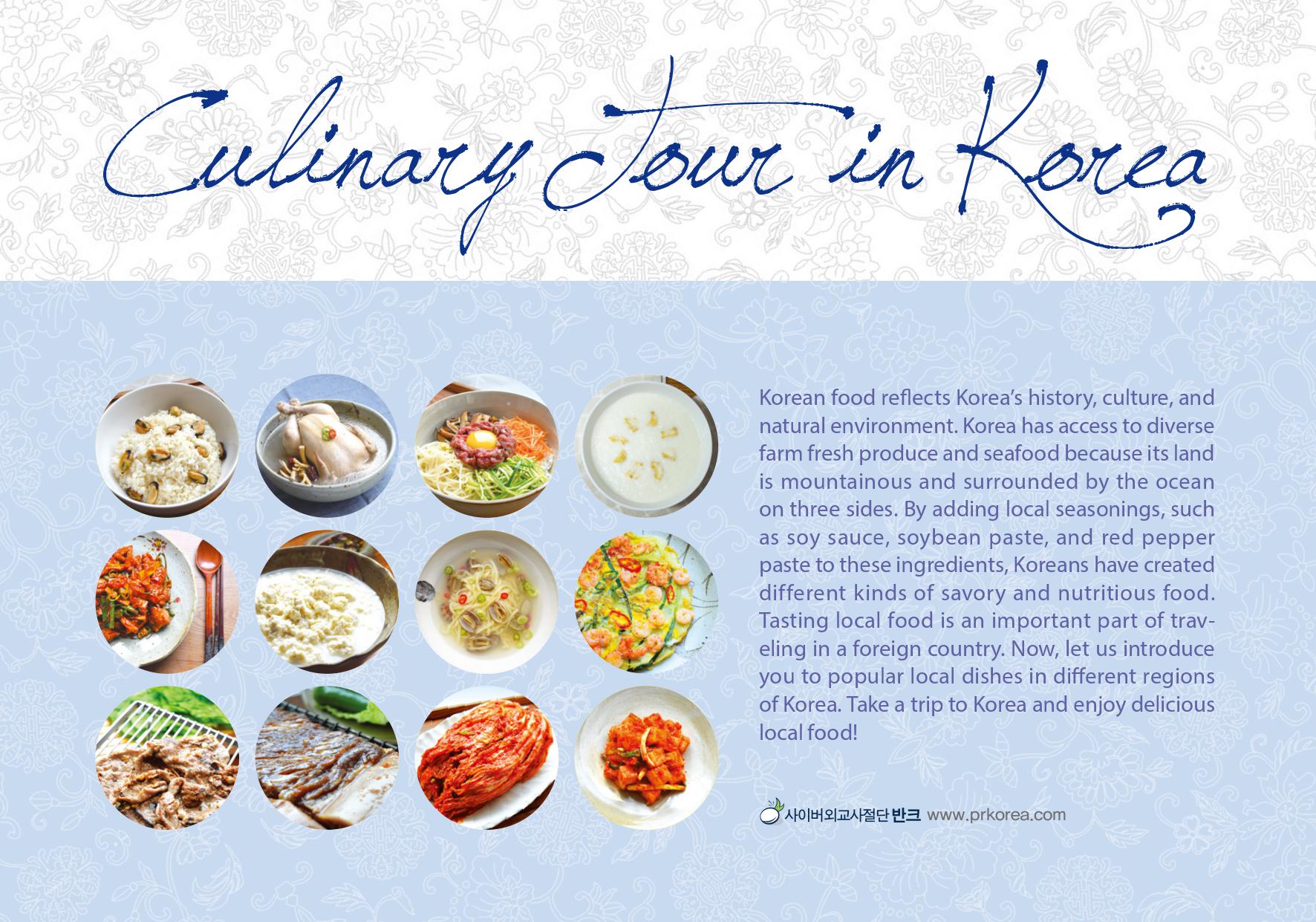
Korean food reflects Korea's history, culture, and natural environment. Korea has access to diverse farm fresh produce and seafood because its land is mountainous and surrounded by the ocean on three sides. By adding local seasonings, such as soy sauce, soybean paste, and red pepper paste to these ingredients, Koreans have created different kinds of savory and nutritious food. Tasting local food is an important part of traveling in a foreign country. Now, let us introduce you to popular local dishes in different regions in Korea. Take a trip to Korea and enjoy delicious local food!
• Kimchi and Kimjang
Kimchi is a representative Korean dish, made by seasoning vegetables with salt and spices and fermenting. In Korea, there are over 200 kinds of Kimchi, depending on the ingredients and methods. Kimjang is a tradition of making and sharing large quantities of Kimchi to consume during winter. The Kimjang culture allows Koreans to connect with family and relatives in today's busy life.
• Dak Galbi / Chuncheon, Gangwondo
Dak Galbi is spicy stir-fried chicken ribs. Chicken ribs, chopped and marinated in red pepper paste, are stir-fried with cabbage, sweet potatoes, and assorted vegetables, such as carrots, on an iron pan. Rice is later fried with the leftover seasoning. Dak Galbi originated in Chuncheon in the early 1960s, and has become popular because it is affordable and delicious.
• Chodang Sundubu / Gangneung, Gangwondo
Chodang Sundubu is a local tofu dish in Gangneung. Chodang is the pen name of Heo Yeop (1517-1580), who initially created this tofu dish. He is the father of the famous writer siblings, Heo Gyun (1569-1618) and Heo Nanseolheon (1563-1589). Chodang Sundubu, made with sea water from the East Sea, is known for its clean taste.
• Galbi / Suwon, Gyeonggido
Galbi is a marinated beef or pork rib dish, and beef Galbi in Suwon is particularly famous. Suwon is home to the Hwaseong Fortress, a UNESCO World Heritage site. This fortress was constructed during the Joseon Dynasty (1392-1910), and Suwon obtained special permission to butcher and trade cows to keep workers nourished. It led to the development of the cattle market and the creation of the famous Suwon Galbi.
• Bajirak Kalguksu / Ansan, Gyeonggido
Kalguksu is a popular noodle dish in Korea, and there are different kinds of Kalguksu, depending on the ingredients. Bajirak Kalguksu is made with manila clams, and it is particularly popular in the southwest coastal region, such as Ansan, where there are mudflats. Mudflats on Korea's west and south coasts are globally known as a rich repository of marine life where hundreds of different kinds of ocean animals and plants reside.
• Samgyetang / Geumsan, Chungcheongnamdo
Samgyetang is a popular dish that Koreans consume to invigorate their body during summer. It is a chicken soup made by boiling a young chicken stuffed with ginseng and glutinous rice. Ginseng is a medicinal plant with various health benefits, such as boosting immunity and preventing cancer. Korean ginseng has been a popular export item since the ancient Three Kingdoms Period. Geumsan is a popular ginseng-growing area that has a world-famous ginseng market.
• Honghap Bob / Ulleungdo, Gyeongsangbukdo
Honghap Bob is a local dish in Ulleungdo that is prepared by mixing steamed rice with mussels and seasoning. Ulleungdo was chosen as one of the world's best secret islands by Lonely Planet, an acclaimed travel magazine. Ulleungdo has well-preserved primeval forests and is located on the way to Dokdo, which is Korea's easternmost territory and Koreans' most beloved island. It has made Ulleungdo and Dokdo popular travel destinations.
• Haemul Pajeon / Busan
Haemul Pajeon is a seafood pancake that is made with green onions and various kinds of seafood. Haemul Pajeon in Dongnae, Busan, is especially famous. It is known as Dongnae Pajeon, which used to be presented to the king during the Joseon Dynasty. Busan is the second largest city in Korea and is home to beautiful beaches, including Haeundae Beach, and the Busan International Film Festival (BIFF).
• Bibimbap / Jeonju, Jeollabukdo
Bibimbap is a rice dish mixed with assorted vegetables, meat, and seasoning. Each region has different versions of Bibimbap, depending on the ingredients. Bibimbap in Jeonju is particularly famous. Jeonju is an area where Korean traditions are well-preserved. Jeonju Hanok Village contains over 700 traditional Korean houses, called Hanok in Korean. Jeonju hosts the annual Daesaseup Festival, which is a traditional folk song contest.
• Bulgogi / Gwangyang, Jeollanamdo
Bulgogi is a thin-sliced marinated beef dish. Each region has different methods of cooking Bulgogi. In Gwangyang, known for quality charcoal, people cook marinated beef on a charcoal grill. Typically, Koreans eat Bulgogi wrapped in a vegetable leaf.
• Jeonbokjuk / Jejudo
Juk is a porridge made by boiling grains in water. It is easy to digest, and thus good for infants, old people, and patients. Juk is made with various ingredients, such as meat, seafood, and vegetables. Jeonbokjuk is a popular healthy meal, made with nutritious abalone (Jeonbok in Korean). Jejudo is the largest island in Korea, and it is known for seafood and delicious jeonbokjuk.
더 보기 ▾k.source's Choice