홍보물
한글 스티커 (2014)
Hangeul Stickers (2014)
한국어
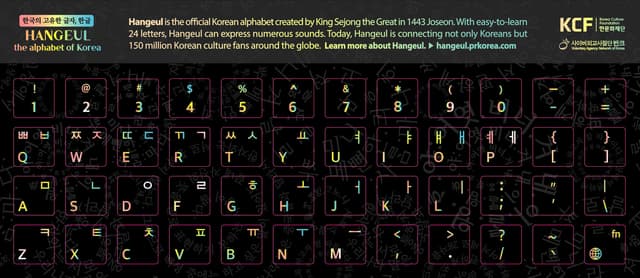
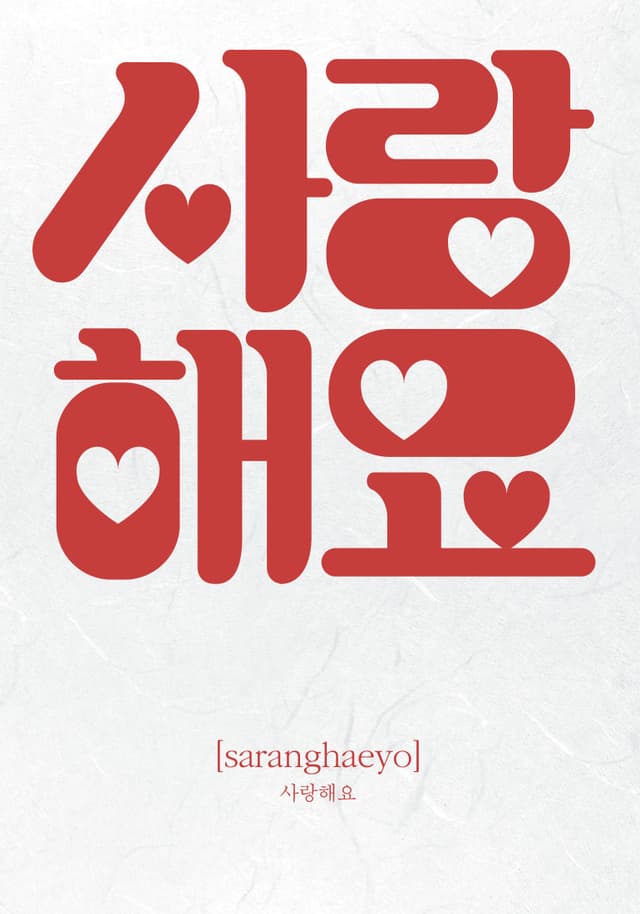
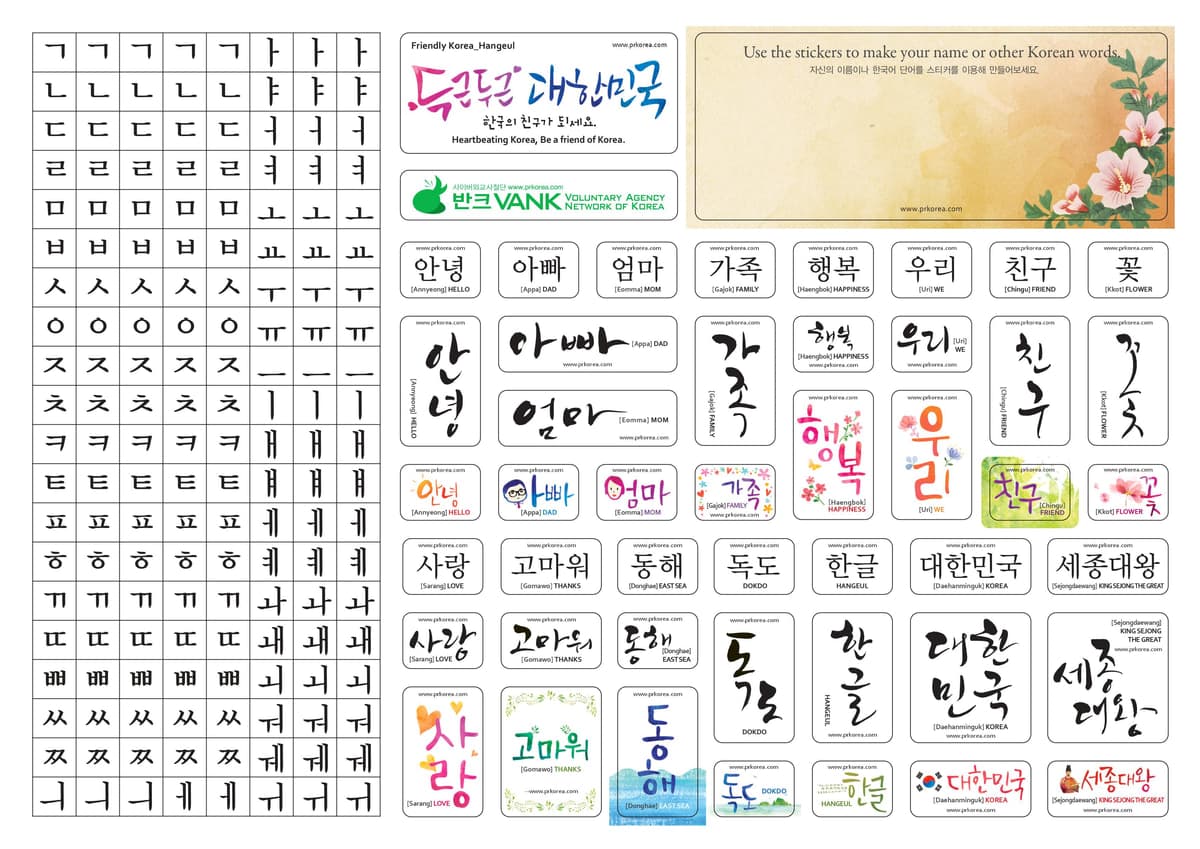
한글스티커는 한국어 학습자가 한글에 더 흥미를 갖도록 돕는 홍보물이다. 자음·모음 스티커로 자신의 이름을 써보며 한글의 기본 원리를 배울 수 있고, 한국인이 좋아하는 아름다운 한국어 단어를 통해 한국어의 아름다움과 한국에 대한 이해를 함께 높일 수 있다.
EnglishHangeul Stickers is a promotional item that helps Korean language learners take more interest in Hangeul, the Korean alphabet. Using stickers of consonants and vowels, learners can spell out their own names and discover the basic principles of Hangeul. The stickers also feature beautiful Korean words loved by Korean people, helping learners appreciate the beauty of the Korean language and gain a deeper understanding of Korea.
자료 원고 · 한국어
원고
재외 동포는 물론 세계인들의 한국어에 대한 관심이 높아지고 있다. 한글스티커는 이러한 한국어 학습자들이 한국어와 한글에 대해 좀 더 흥미를 가지고 배울 수 있도록 구성하였다. 한글의 자음과 모음스티커를 이용해 자신의 이름을 써보며 한글의 기본원리를 배울 수 있고, 한국인들이 좋아하는 아름다운 한국어단어를 통해 한국어의 아름다움은 물론 한국에 대한 이해도 높일 수 있을 것이다.
한글은 한국어를 기록하는 한국의 고유문자이다. 1443년 조선(1392-1910)의 세종대왕(1397-1450)이 발명하였는데 독창적이고 과학적인 글자로 알려져 있다. 한글 반포 시 발간된 해설서를 통해 한글의 자음은 사람의 발성기관을 본뜨고, 모음은 하늘?땅?사람을 뜻하는 철학을 담고 있음을 알 수 있다. 현대 한글은 자음 14자, 모음 10자 총 24자로 구성된다.
세종대왕은 조선왕조의 4번째 임금으로 한국 역사상 가장 존경 받는 인물이다. 그는 백성을 나라의 근본으로 여기는 민본사상을 가장 충실히 실현하였으며 그 결과 정치, 경제, 문화, 군사 등 사회 전분야에 걸쳐 눈부신 발전을 이루어내었다. 당시 대부분의 동아시아 국가들은 중국의 영향력을 당연시했지만, 세종대왕은 조선의 독특한 문화와 전통, 기술을 발전시키고자 하였다. 이러한 세종의 생각이 집약된 업적이 1443년 한국 고유문자 한글의 탄생이다. 세종은 당시 동아시아에서 사용되었던 중국의 한자와는 전혀 다른 문자인 한글을 창제함으로 조선의 언어체계를 바로잡았고, 자신의 뜻과 생각을 자유롭게 표현할 수 없었던 백성들에게 길을 열어주었다.
더 보기 ▾자료 원고 · English
Interest in Hangeul is increasing among both overseas Koreans and people around the world. We designed the Hangeul stickers to help make the learning experience easier and more fun. You will learn the basic structure of Hangeul by using the Hangeul consonant and vowel stickers to write your name. You will also learn some examples of basic Korean words and expressions, and gain more knowledge and understanding of Hangeul and Korean culture.
Hangeul 한글
Hangeul is the native alphabet of the Korean language. It is a unique and scientific writing system that was invented by King Sejong (1397~1450) in 1443 during the Joseon Dynasty (1392~1910). Its original manuscript and commentaries explain that Hangeul consonants are modeled after the shapes of vocal organs, and vowels reflected the philosophy of uniting heaven, earth, and human. Contemporary Hangeul consists of 14 consonants and 10 vowels.
King Sejong the Great 세종대왕
King Sejong was the fourth king of Joseon (1392~1910). He is the most respected historical figure in Korea. Through people-oriented policies, he made remarkable advancements across all areas, including politics, economy, culture, and military. While most countries in East Asia took China’s influence for granted, King Sejong was committed to developing Joseon’s unique culture, traditions, and technologies. Such commitment led to the invention of Hangeul in 1443. Hangeul is completely different from the Chinese alphabet. Ultimately, it enabled ordinary Korean people to express their ideas and thoughts in writing.
더 보기 ▾