홍보물
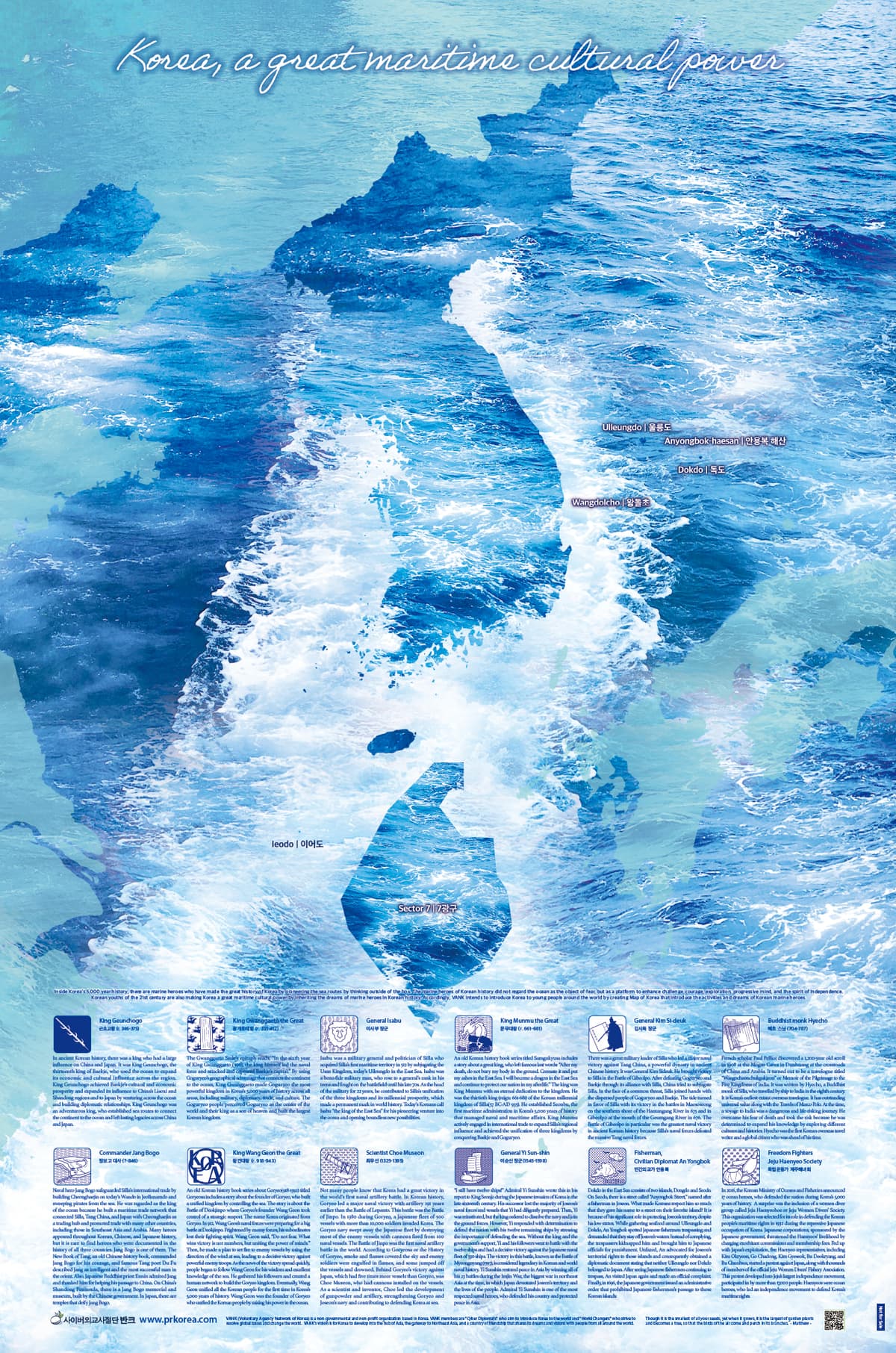
해양영웅 한국지도 (2021)
Map of Korea's Maritime Heroes (2021)
한국어
해양영웅 한국지도는 한국 역사 속 해양 영웅들을 소개하는 홍보물이다. 바다를 두려움의 대상이 아니라 도전과 개척의 무대로 삼았던 인물들의 이야기를 통해, 21세기 한국 청년들도 그 정신을 이어받아 해양강국을 만들어가고 있음을 알린다.
EnglishThis promotional material introduces maritime heroes from Korean history on a map of Korea. Through the stories of people who saw the sea not as something to fear but as a place for challenge and exploration, it shows how young Koreans in the 21st century are carrying on that spirit to build a strong maritime nation. The heroes featured include King Geunchogo, Isabu, King Munmu the Great, Jang Bogo, Admiral Yi Sun-sin, and An Yong-bok, along with Dokdo.
자료 원고 · English
Korea, a great maritime cultural power
Inside Korea’s 5,000 year history, there are marine heroes who have made the great history of Korea by pioneering the sea routes by thinking outside of the box. The marine heroes of Korean history did not regard the ocean as the object of fear, but as a platform to enhance challenge, courage, exploration, progressive mind, and the spirit of independence. Korean youths of the 21st century are also making Korea a great maritime cultural power by inheriting the dreams of marine heroes in Korean history. Accordingly, VANK intends to introduce Korea to young people around the world by creating Map of Korea that introduce the activities and dreams of Korean marine heroes.
www.prkorea.com
King Geunchogo 근초고왕 (r. 346-375)
In ancient Korean history, there was a king who had a large influence on China and Japan. It was King Geunchogo, the thirteenth king of Baekje, who used the ocean to expand its economic and cultural influence across the region.
King Geunchogo achieved Baekje’s cultural and economic prosperity and expanded its influence to China’s Liaoxi and Shandong regions and to Japan by venturing across the ocean and building diplomatic relationships. King Geunchogo was an adventurous king, who established sea routes to connect the continent to the ocean and left lasting legacies across China and Japan.
King Gwanggaeto the Great 광개토태왕 (r. 391-412)
The Gwanggaeto Stele’s epitaph reads, “In the sixth year of King Gwanggaeto (396), the king himself led the naval force and attacked and captured Baekje’s capital.” By using Goguryeo’s geographical advantage that connects the continent to the ocean, King Gwanggaeto made Goguryeo the most powerful kingdom in Korea’s 5,000 years of history across all areas, including military, diplomacy, trade, and culture. The Goguryeo people perceived Goguryeo as the center of the world and their king as a son of heaven and built the largest Korean kingdom.
Isabu 이사부 장군
Isabu was a military general and politician of Silla who acquired Silla’s first maritime territory in 512 by subjugating the Usan Kingdom, today’s Ulleungdo in the East Sea. Isabu was a bona-fide military man, who rose to a general’s rank in his teens and fought on the battlefield until his late 70s. As the head of the military for 22 years, he contributed to Silla’s unification of the three kingdoms and its millennial prosperity, which made a permanent mark in world history. Today’s Koreans call Isabu “the king of the East Sea” for his pioneering venture into the ocean and opening boundless new possibilities.
King Munmu the Great 문무대왕 (r. 661-681)
An old Korean history book series titled Samgukyusa includes a story about a great king, who left famous last words: “After my death, do not bury my body in the ground. Cremate it and put my ashes in the East Sea. I will become a dragon in the East Sea and continue to protect our nation in my afterlife.” The king was King Munmu the Great with an eternal dedication to the kingdom. He was the thirtieth king (reign: 661-681) of the Korean millennial kingdom of Silla(57 BC-AD 935). He established Seonbu, the first maritime administration in Korea’s 5,000 years of history that managed naval and maritime affairs. King Munmu the Great actively engaged in international trade to expand Silla’s regional influence and achieved the unification of three kingdoms by conquering Baekje and Goguryeo.
General Kim Si-deuk 김시득 장군
There was a great military leader of Silla who led a major naval victory against Tang China, a powerful dynasty in ancient Chinese history. It was General Kim Sideuk. He brought victory to Silla in the Battle of Gibeolpo. After defeating Goguryeo and Baekje through its alliance with Silla, China tried to subjugate Silla. In the face of a common threat, Silla joined hands with the dispersed people of Goguryeo and Baekje. The tide turned in favor of Silla with its victory in the battles in Maesoseong on the southern shore of the Hantangang River in 675 and in Gibeolpo at the mouth of the Geumgang River in 676. The Battle of Gibeolpo in particular was the greatest naval victory in ancient Korean history because Silla’s naval forces defeated the massive Tang naval forces.
Buddhist monk Hyecho 혜초 스님 (704-787)
French scholar Paul Pelliot discovered a 1,200-year old scroll in 1908 at the Mogao Caves in Dunhuang at the crossroads of China and Arabia. It turned out to be a travelogue titled “Wangocheonchukgukjeon” or Memoir of the Pilgrimage to the Five Kingdoms of India. It was written by Hyecho, a Buddhist monk of Silla, who travelled by ship to India in the eighth century. It is Korea’s earliest extant overseas travelogue. It has outstanding universal value along with the Travels of Marco Polo. At the time, a voyage to India was a dangerous and life-risking journey. He overcame his fear of death and took the risk because he was determined to expand his knowledge by exploring different cultures and histories. Hyecho was the first Korean overseas travel writer and a global citizen who was ahead of his time.
Commander Jang Bogo 장보고 대사 (?-846)
Naval hero Jang Bogo safeguarded Silla’s international trade by building Cheonghaejin on today’s Wando in Jeollanamdo and sweeping pirates from the sea. He was regarded as the king of the ocean because he built a maritime trade network that connected Silla, Tang China, and Japan with Cheonghaejin as a trading hub and promoted trade with many other countries, including those in Southeast Asia and Arabia. Many heroes appeared throughout Korean, Chinese, and Japanese history, but it is rare to find heroes who were documented in the history of all three countries. Jang Bogo is one of them. The New Book of Tang, an old Chinese history book, commended Jang Bogo for his courage, and famous Tang poet Du Fu described Jang as intelligent and the most successful man in the orient. Also, Japanese Buddhist priest Ennin admired Jang and thanked him for helping his passage to China. On China’s Shandong Peninsula, there is a Jang Bogo memorial and museum, built by the Chinese government. In Japan, there are temples that deify Jang Bogo.
King Wang Geon the Great 왕건대왕 (r. 918-943)
An old Korean history book series about Goryeo(918-1392) titled Goryeosa includes a story about the founder of Goryeo, who built a unified kingdom by controlling the sea. The story is about the Battle of Deokjinpo where Goryeo’s founder Wang Geon took control of a strategic seaport. The name Korea originated from Goryeo. In 912, Wang Geon’s naval forces were preparing for a big battle at Deokjinpo. Frightened by enemy forces, his subordinates lost their fighting spirit. Wang Geon said, “Do not fear. What wins victory is not numbers, but uniting the power of minds.” Then, he made a plan to set fire to enemy vessels by using the direction of the wind at sea, leading to a decisive victory against powerful enemy troops. As the news of the victory spread quickly, people began to follow Wang Geon for his wisdom and excellent knowledge of the sea. He gathered his followers and created a human network to build the Goryeo kingdom. Eventually, Wang Geon unified all the Korean people for the first time in Korea’s 5,000 years of history. Wang Geon was the founder of Goryeo who unified the Korean people by raising his power in the ocean.
Scientist Choe Museon 최무선 (1325-1395)
Not many people know that Korea had a great victory in the world’s first naval artillery battle. In Korean history, Goryeo led a major naval victory with artillery 191 years earlier than the Battle of Lepanto. This battle was the Battle of Jinpo. In 1380 during Goryeo, a Japanese fleet of 500 vessels with more than 10,000 soldiers invaded Korea. The Goryeo navy swept away the Japanese fleet by destroying
most of the enemy vessels with cannons fired from 100 naval vessels. The Battle of Jinpo was the first naval artillery battle in the world. According to Goryeosa or the History of Goryeo, smoke and flames covered the sky and enemy soldiers were engulfed in flames, and some jumped off the vessels and drowned. Behind Goryeo’s victory against Japan, which had five times more vessels than Goryeo, was
Choe Museon, who had cannons installed on the vessels.
As a scientist and inventor, Choe led the development of gunpowder and artillery, strengthening Goryeo and Joseon’s navy and contributing to defending Korea at sea.
Admiral Yi Sun-sin 이순신 장군(1545-1598)
“I still have twelve ships!” Admiral Yi Sun-sin wrote this in his report to King Seonjo during the Japanese invasion of Korea in the late sixteenth century. His successor lost the majority of Joseon’s naval forces and vessels that Yi had diligently prepared. Then, Yi was reinstituted, but the king ordered to dissolve the navy and join the ground forces. However, Yi responded with determination to defend the nation with his twelve remaining ships by stressing the importance of defending the sea. Without the king and the government’s support, Yi and his followers went to battle with the twelve ships and had a decisive victory against the Japanese naval fleet of 330 ships. The victory in this battle, known as the Battle of Myeongnyang (1597), is considered legendary in Korean and world naval history. Yi Sunshin restored peace in Asia by winning all of his 23 battles during the Imjin War, the biggest war in northeast Asia at the time, in which Japan devastated Joseon’s territory and the lives of the people. Admiral Yi Sunshin is one of the most respected naval heroes, who defended his country and protected peace in Asia.
Fisherman, Civilian Diplomat An Yong-bok 민간외교가 안용복
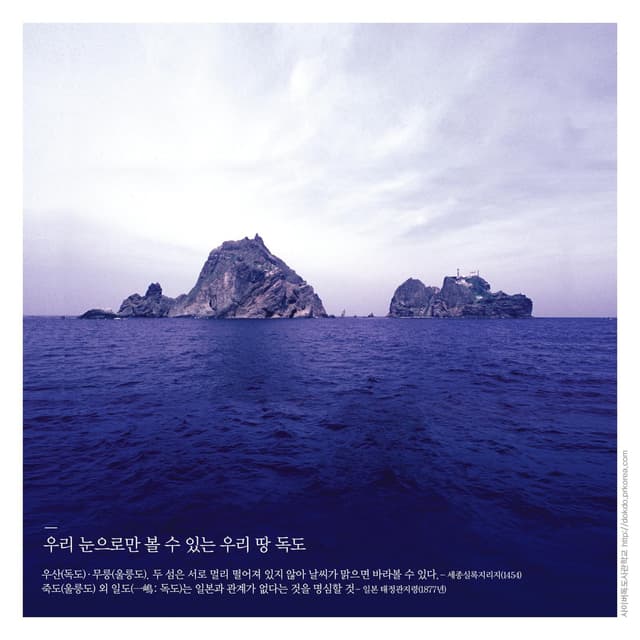
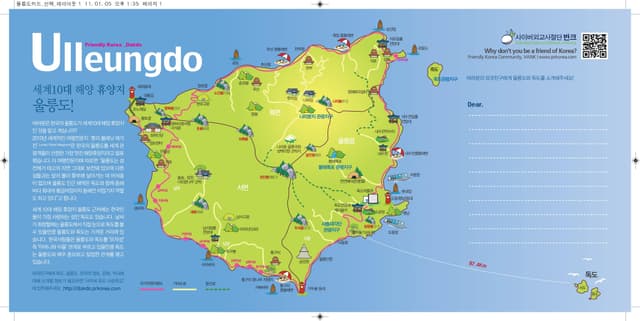
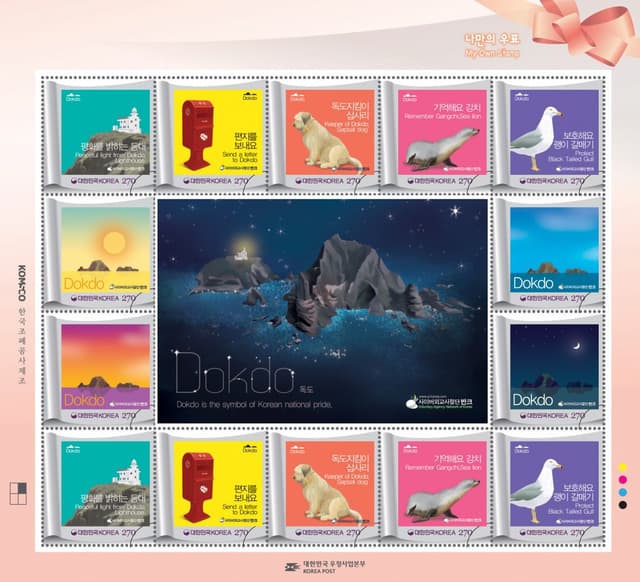
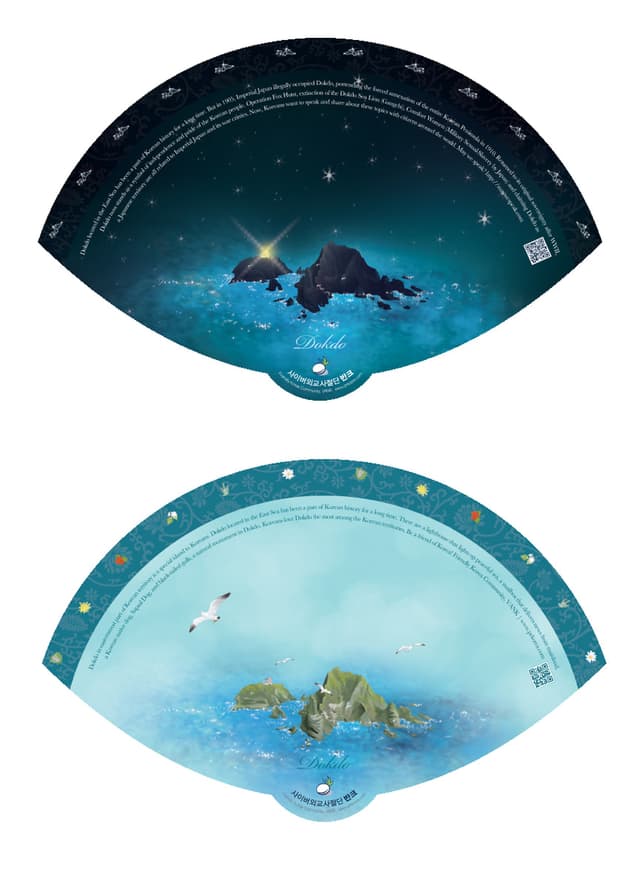
Dokdo in the East Sea consists of two islands, Dongdo and Seodo. On Seodo, there is a street called “An Yong-bok Street,” named after a fisherman in Joseon. What made Koreans respect him so much that they gave his name to a street on their favorite island? It is because of his significant role in protecting Joseon’s territory, despite his low status. While gathering seafood around Ulleungdo and Dokdo, An Yong-bok spotted Japanese fishermen trespassing and demanded that they stay off Joseon’s waters. Instead of complying, the trespassers kidnapped him and brought him to Japanese officials for punishment. Unfazed, An advocated for Joseon’s territorial rights to those islands and consequently obtained a diplomatic document stating that neither Ulleungdo nor Dokdo belonged to Japan. After seeing Japanese fishermen continuing to trespass, An visited Japan again and made an official complaint. Finally, in 1696, the Japanese government issued an administrative order that prohibited Japanese fishermen’s passage to these Korean islands.
Freedom Fighters Jeju Haenyeo Society 독립운동가 제주해녀회
In 2016, the Korean Ministry of Oceans and Fisheries announced 17 ocean heroes, who defended the nation during Korea’s 5,000 years of history. A surprise was the inclusion of a women diver group called Jeju Haenyeohoe or Jeju Women Divers’ Society. This organization was selected for its role in defending the Korean people’s maritime rights in 1932 during the repressive Japanese ccupation of Korea. Japanese corporations, sponsored by the Japanese government, threatened the Haenyeos’ livelihood by charging exorbitant commissions and membership fees. Fed up with Japan’s exploitation, five Haenyeo representatives, including Kim Okryeon, Go Chadong, Kim Gyeseok, Bu Deokryang, and Bu Chun-hwa, started a protest against Japan, along with thousands of members of the official Jeju Women Divers’ Fishery Association. This protest developed into Jeju’s largest independence movement, participated in by more than 17,000 people. Haenyeos were ocean heroes, who led an independence movement to defend Korea’s maritime rights.
더 보기 ▾